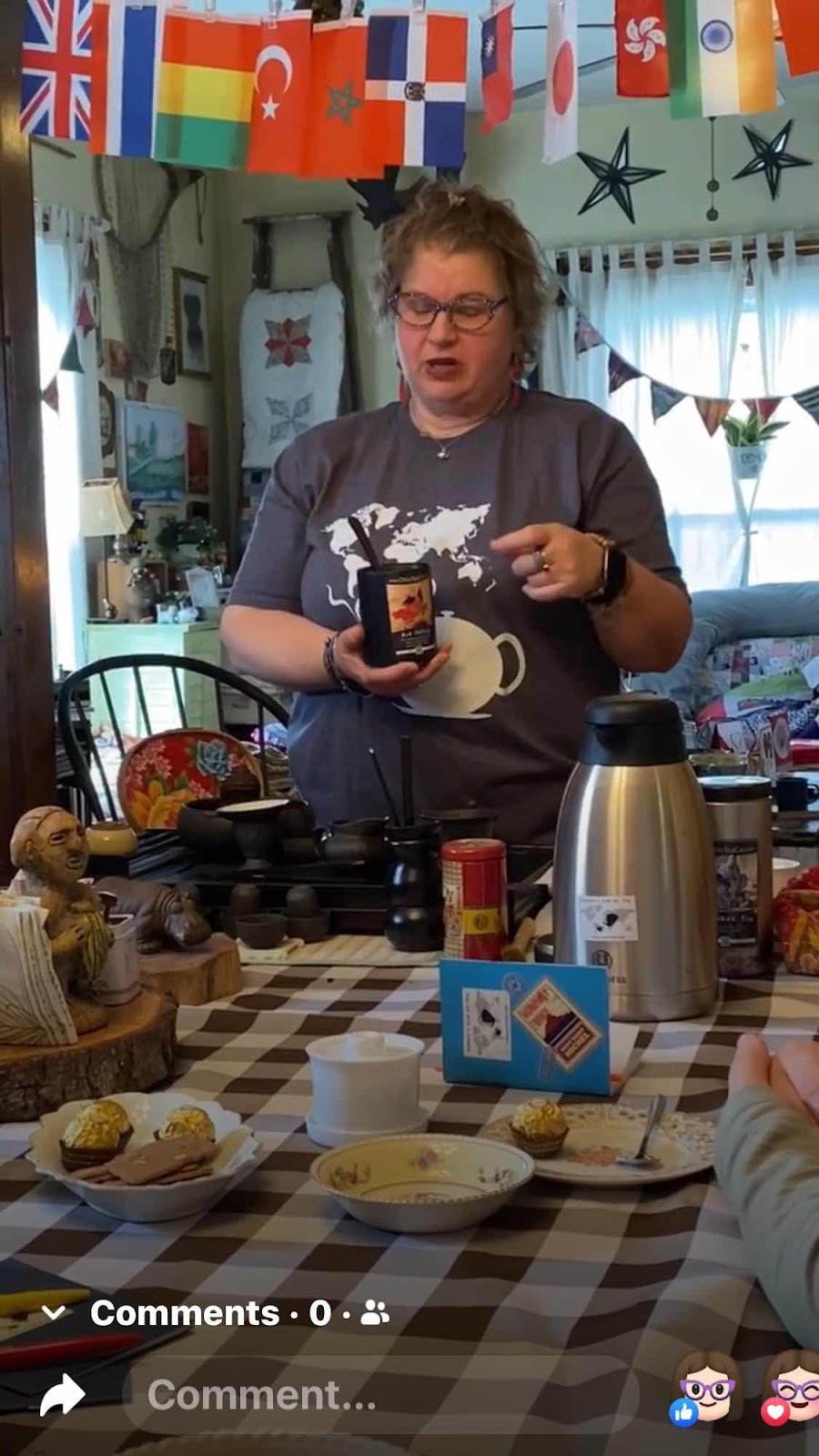
What is Chai Tea- it is black tea. If you want we in America call "chai", then you say you want a Masala Chai.
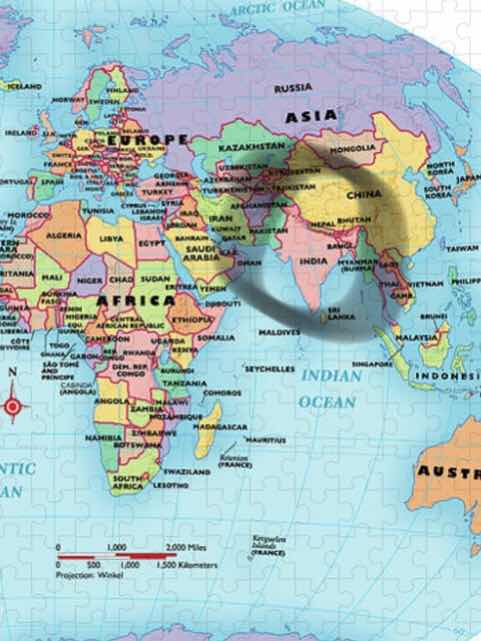
Chai come from India and Siam around 5000-9000 years ago. It was used for royalty and medicinal purposes to start with. Black chai gets your energy up and your metabolism going.

In the 1830s, the British East India Company became concerned about the Chinese monopoly on tea. Great Britain consumed around one pound (by weight) of tea per person per year. In 1870, over 90% of the tea consumed in Great Britain was still of Chinese origin, but by 1900, this had dropped to 10%, largely replaced by tea grown in India (50%) and Ceylon (33%), present-day Sri Lanka.
The consumption of black tea within India remained low until the promotional campaign by the Indian Tea Association in the early 20th century, which encouraged factories, mines, and textile mills to provide tea breaks for their workers. It also supported many independent chaiwalas throughout the growing railway system.
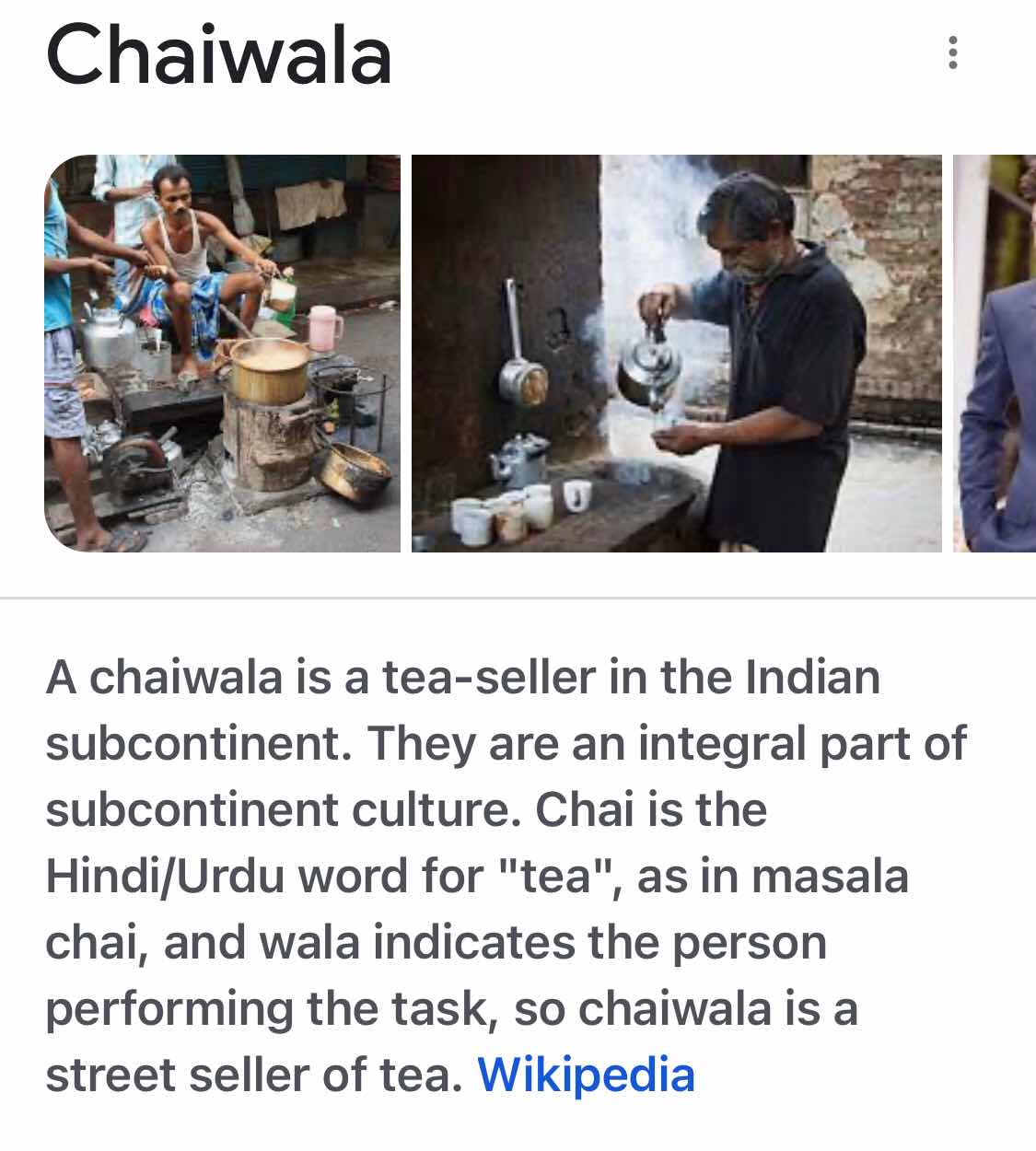
The official promotion of tea was as served in the Indian mode, with small added amounts of milk and sugar. The Indian Tea Association initially disapproved of independent vendors' tendency to add spices and greatly increase the proportions of milk and sugar, thus reducing their usage (and thus purchase) of tea leaves per liquid volume. However, chai in its present form has now firmly established itself as a popular beverage.
Chai is a street drink in India, and an everyday beverage. Chai uses CTC (Cut, Tear, Curl). Boiled with milk and sugar, it’s full if spices and consumed piping hot.
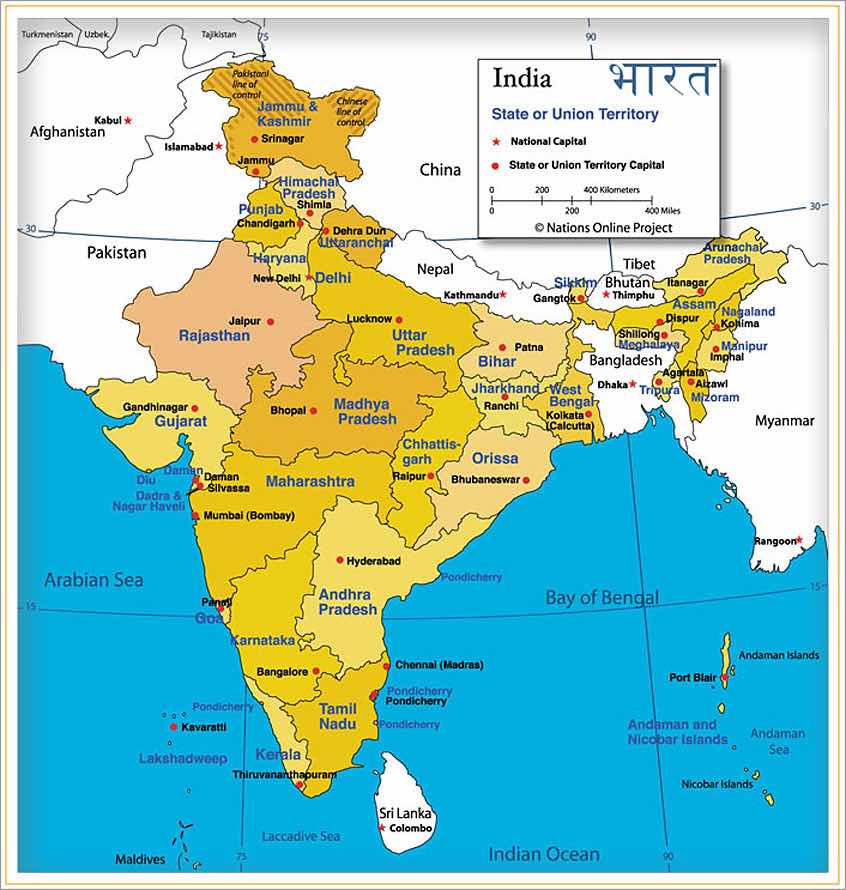
It seems every area of India has a their own unique way to make the chai. Cutting Chai, Butter Tea, Kahwa or Tandoori Chai, the preparations differ and so does the taste.
In Kolkata, it’s served in little clay cups as matka chai, the perfect biodegradable cup for a takeaway.
Mumbai, it’s the cutting chai, pulled high and ‘cut’ to make two half cups.
Malabari region, the southern region, the Sulaimani or kattan chaya is the chai of-choices choice, a lemon black tea that assumes gourmet proportions when you add some cardamom to it.
Kahwa is a speciality from Kashmir, a flavored green tea that even includes dry nuts like almonds. It has a rich flavor with whole spices and saffron. The tea specially prepared in Kashmir is to tackle the cold weather conditions here. Cardamom, almonds, cinnamon and cloves are added and Kashmiri Kahwa is usually had after breakfast or lunch.
Noon chai, also called as shir chai, gulabi chai, bun chai, or pink tea, is a traditional tea beverage, that comes from the Kashmir Valley. Once again, differing from your regular tea preparations, Noon chai is made with baking soda and gunpowder tea. The baking soda gives it a pink color and it does not include sugar but sweeteners may be added when served on stalls here.
Butter tea is more commonly consumed in Ladakh and Tibetan regions. It helps in keeping the lips soft which otherwise get chapped in the colder regions. Consumed widely in Ladakh and in Sikkim, the butter tea or gur gur chai is made by boiling tea leaves with butter made of yak milk, salt, and water. In Ladakhi houses, the butter tea circulates non-stop, with people consuming multiple small cups throughout the day. The gur gur chai is made in an eponymous cylindrical wooden churn with a dash of salt and butter. This pink-colored tea is believed to keep the body warm while fighting dehydration.
Sulaimani chai, believed to have traveled to India via Arab travelers, the sulaimani chai is a black tea boiled with spices like cardamom, cinnamon, ginger, and cloves until it acquires a beautiful golden color and finished with a dash of lemon juice. It is popular in many parts of Kerala and is had regularly in many households in Hyderabad, too.
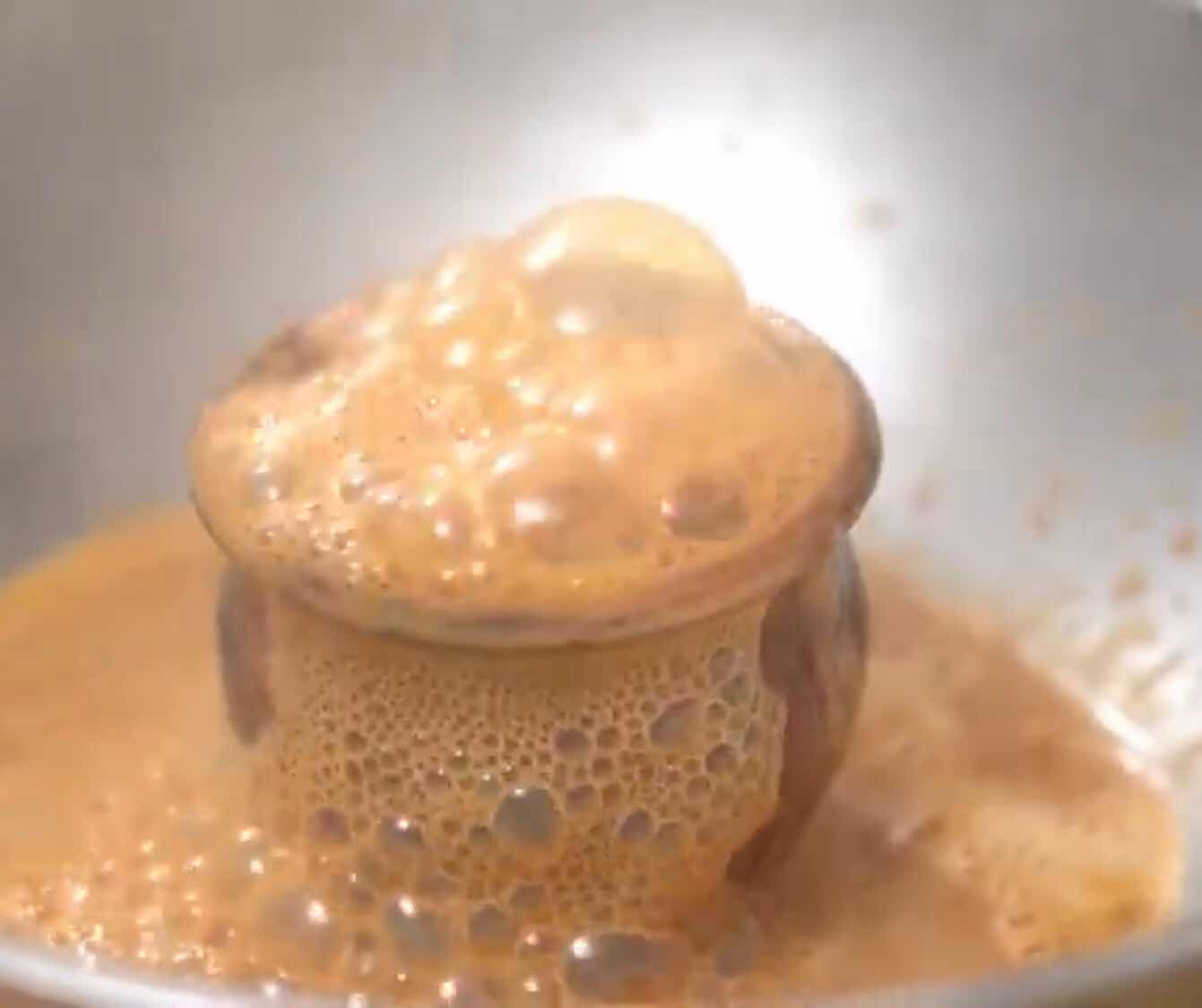
Pune, Maharashtra Tandoori chai, It is traditionally made by warming the kulhad (clay mugs) in a tandoor until they are red hot and then pouring the Masala chai in them, hence the name Tandoori Chai. The tea froth vigorously like a volcano once poured into the hot kulhad and gets infused with the Smokey flavor.
Ingredients to make a classic Masala Chai:
Milk- full fat, pasteurized, milk
Good tea leaf- Ceylon or Assam, these are strong black tea from India. You need a good strong black tea base.
Crushed tea leaves vs whole tea leaves
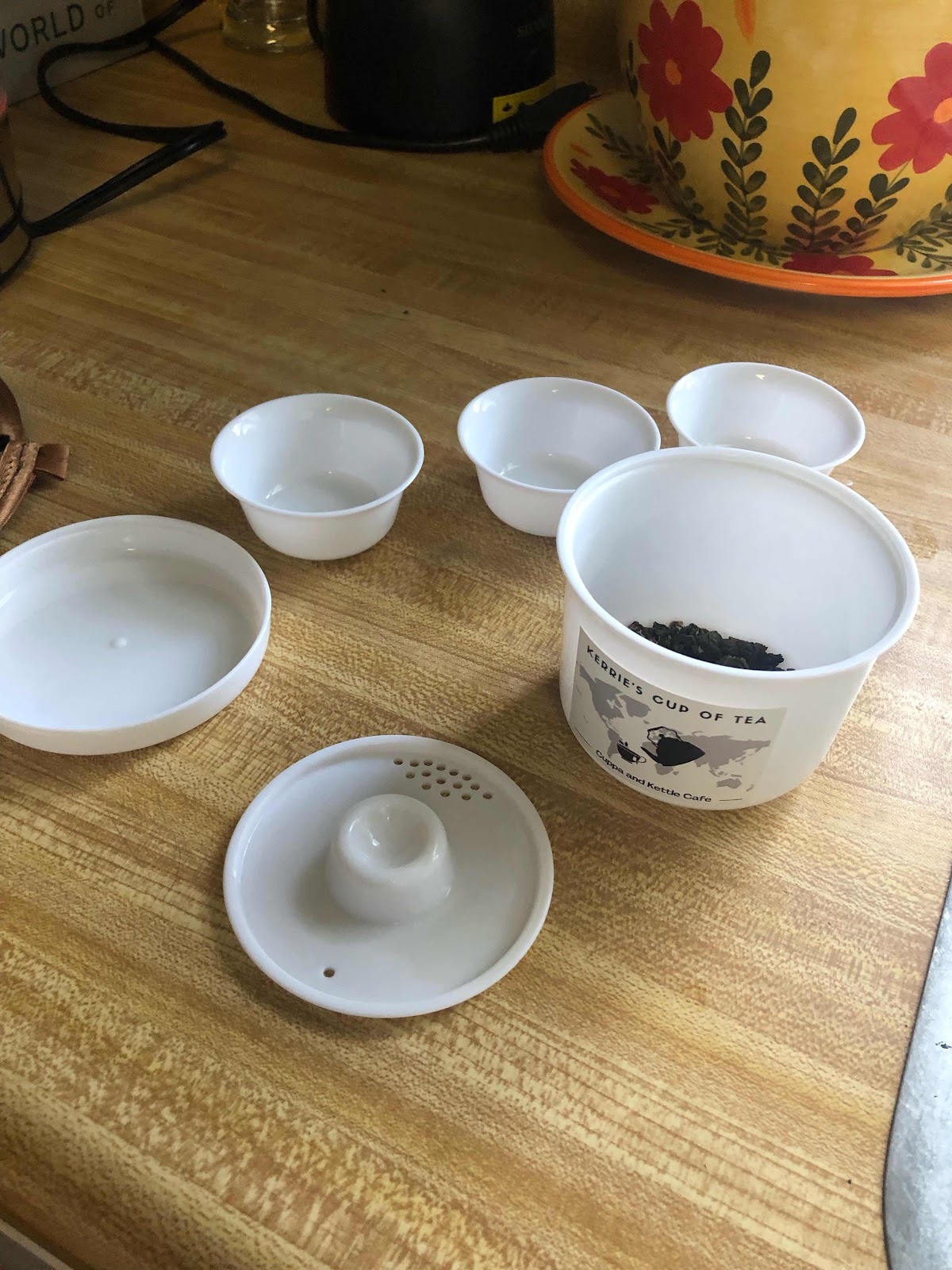
Premium tea is whole loose leaf and massed processed bagged is usually crushed.
Whole tea leaves are quality tea. Good tea requires care for the best care. Finest teas are hand harvested- whole tea minimizes bitterness and the tea is sweeter- the youngest tea leaves are harvested. The tea leaves remain whole- but there is less oxidation- it slows the process.
Mass produced tea leaves are not hand picked- they gather older and younger leaves. This then becomes a low grade crop. They are cut an get more oxidation.
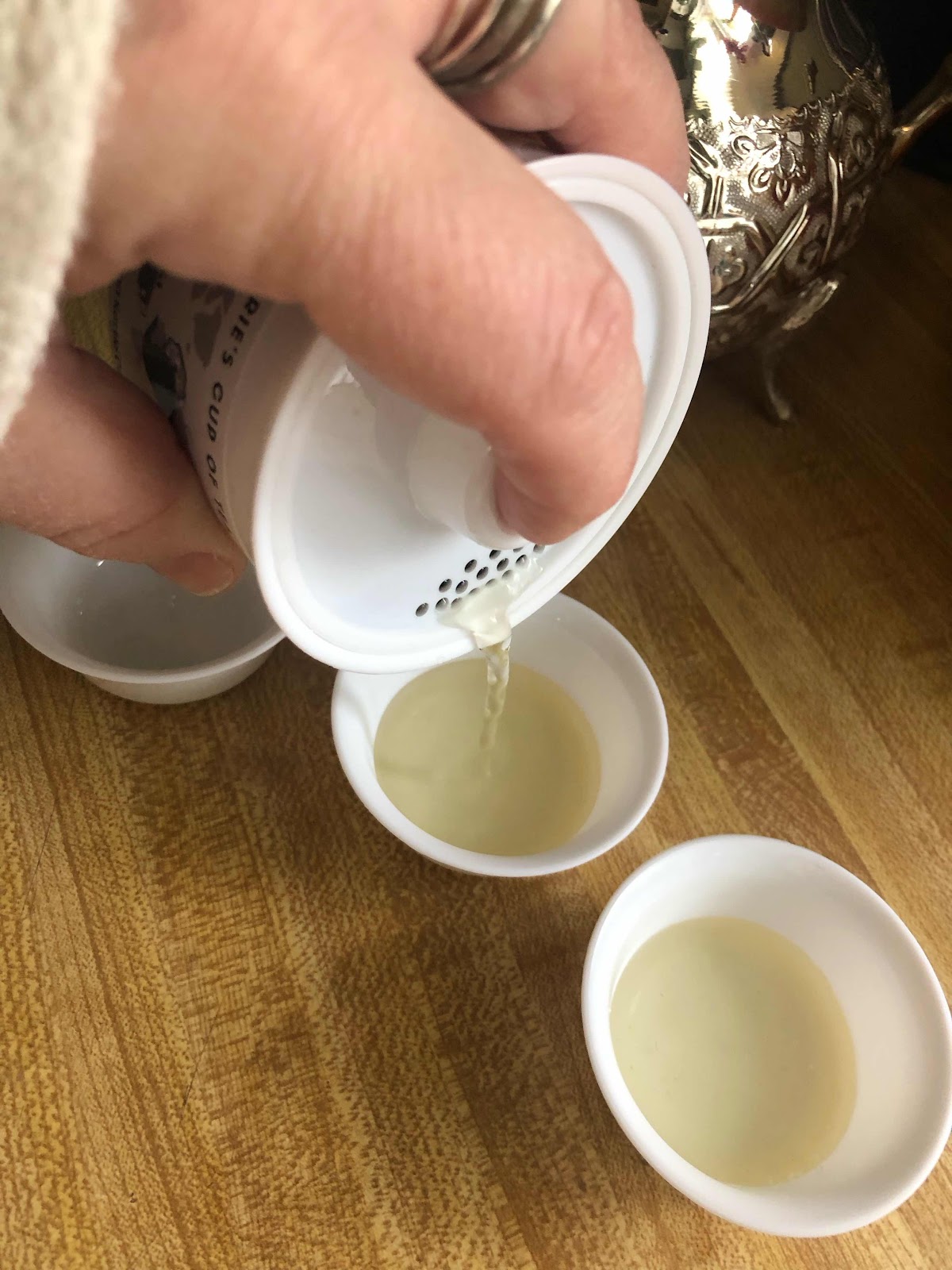
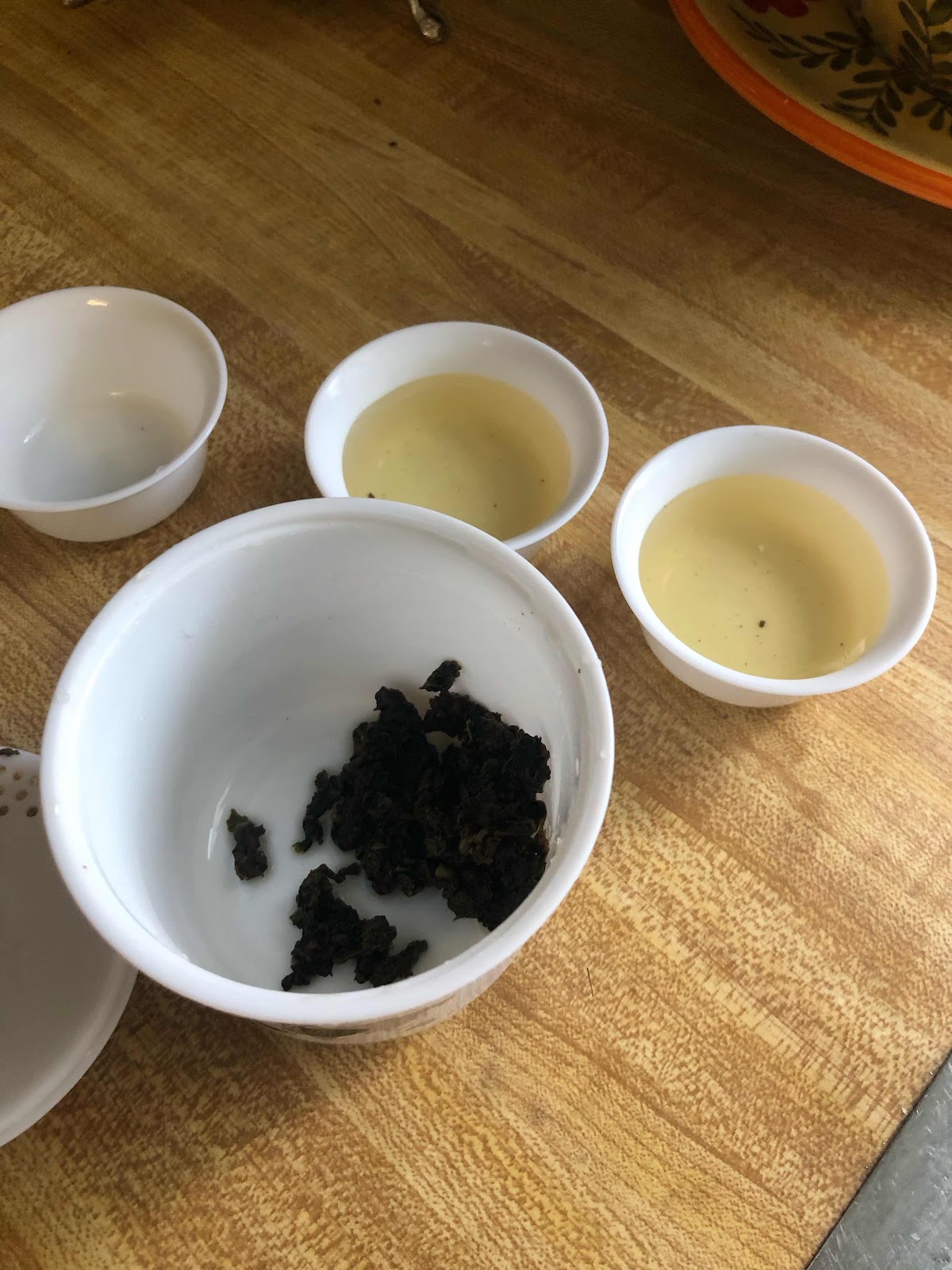
Crushed leaves release all their flavors once the water is added, you can not control the brew. Whole leaves can be controlled. Cold brew doesn't matter if it is whole or crushed.
SPICES
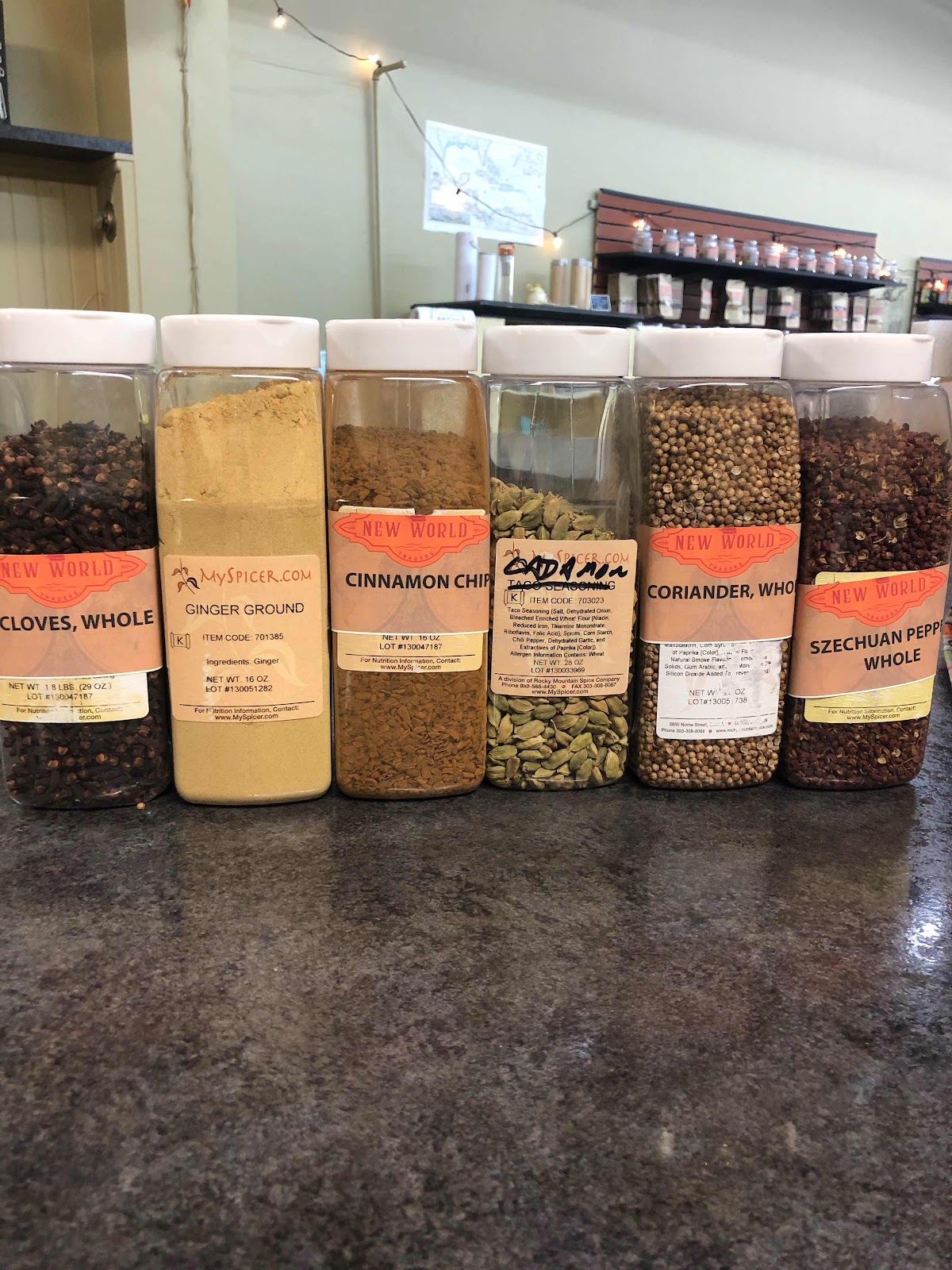
cinnamon has incredible high antioxidant level, used for balances blood sugar, curving appetite and reducing blood pressure
ginger good for digestion and fantastic for circulation, good for speeding up metalbolism and good for cholesterol (Just smash-2 tsp, 1 " long- add to the water, not the mortar pestle)
cardamon pods- good for breath- one of the most expensive spice (use 3-4)
nutmeg- helps with anxiety and depression
black pepper also helps speed up metabolism (1 tsp- makes it spicy)
cloves has the highest level of antioxidant of food on the planet (Super strong, only add 3-4)
Jaggery- over sugar ( a sugar concentrated product of cane juice without the separation of the molasses and crystals.
give spices a course grind
2 C water
2 tsp Spices, 2stp ginger and jaggery
boil together
reduce the flame
add black tea 4tsp
1C Milk
cook for about 10 minutes on a low flame
Strain the tea right into cup. Pulling tea is pouring back and forth- it froths the tea. The more you pull the more you cool it and the more frothy it gets.
Make your slurping sound.

I watched some YouTube videos on Chai making- each one varied, but so fascinating to watch.
Chai from a Chaiwala- street vendor, Kari Mulla, Chai Master in Pakistan
keep three things in mind
1. keep things very clean- the pot must be totally clean
2. The raw milk must be pasteurized (boiled), you wait for it to cool then you use it
3. If you want the tea to be strong, add the leaves first and then the sugar
put fresh milk in the clean pot, put on the stove, keep stirring to keep from sticking. Once it has started to boil you add sugar mix until it is disolved. Then add the tea and stir until it is golden, The more you boil the more the color deepens and the flavor strengthens.
If you then add cream- you get creamier tea and almonds for an almond tea if you want.
Strain as your pour into the cup
Chai Tea street vendor in India, Krishana's Chai
warms the milk
takes black pepper and grinds it with a stone
takes cinnamon bark and grinds it with a stone
takes clove and grids them a stone
adding to the milk as it is boiling, stirring in the new spices
adds tea
adds several spoonfuls of sugar
takes and grinds green pepper corn with a stone
strains into a pot, then pours higher and higher back and forth into another pot, 4 or 5 times, and then pours into glasses
Street vendor n Kolkata
Chai sold from clay cups, 1000 cups in 4 hours
They large pot sitting on an open burner. In that pot they have milk and they keep stirring and adding the chai spices.
They dip another pitcher into the large pot, pulling out the chi and pouring it back in. then they tack that mixture and pour through a stocking into another pitcher and then pour into the cups.
The cups sit on a platter and people walk by pay for the chai and take the cups.
And the process continues.

Kolkata Chai, Tea Shop Borga
And yet another place, sets out glass cups, put 2 teaspoons of sugar in each cup, then scoops in the hot milk filling the cup half way with milk. And then another man froths it by hand with a hand frother. Then another man comes with a tea pot of hot chai, he pours it from high above into a pan and then pours from that pan into the cups with the frothed milk. He fills the cup up with the chai another 1/4 of the way. Then adds more milk, stirs it and serves it.

Watching these YouTube videos just shows how differently chai is made, even in India. But, the thing most have in common, is that they all start with milk- no water added.
This next video was in Mumbai.
They had commercial pots holding many gallons of milk. The warm milk was poured out and taken to a stove where many people where preparing chai.
stirring the warm milk adding in the pre-measured spices, sugar and tea. After stirring and pouring they take a cloth and drain the spices. Then they pour into aluminum kettles and pour into coffee cups for people.

I even watched one video where they added a sick of butter to their chai. Everything else was the same about the making of the chai, but at the end they added the butter. It was called Agra famous, butter chai, 100 grams of butter in a cup of chai.

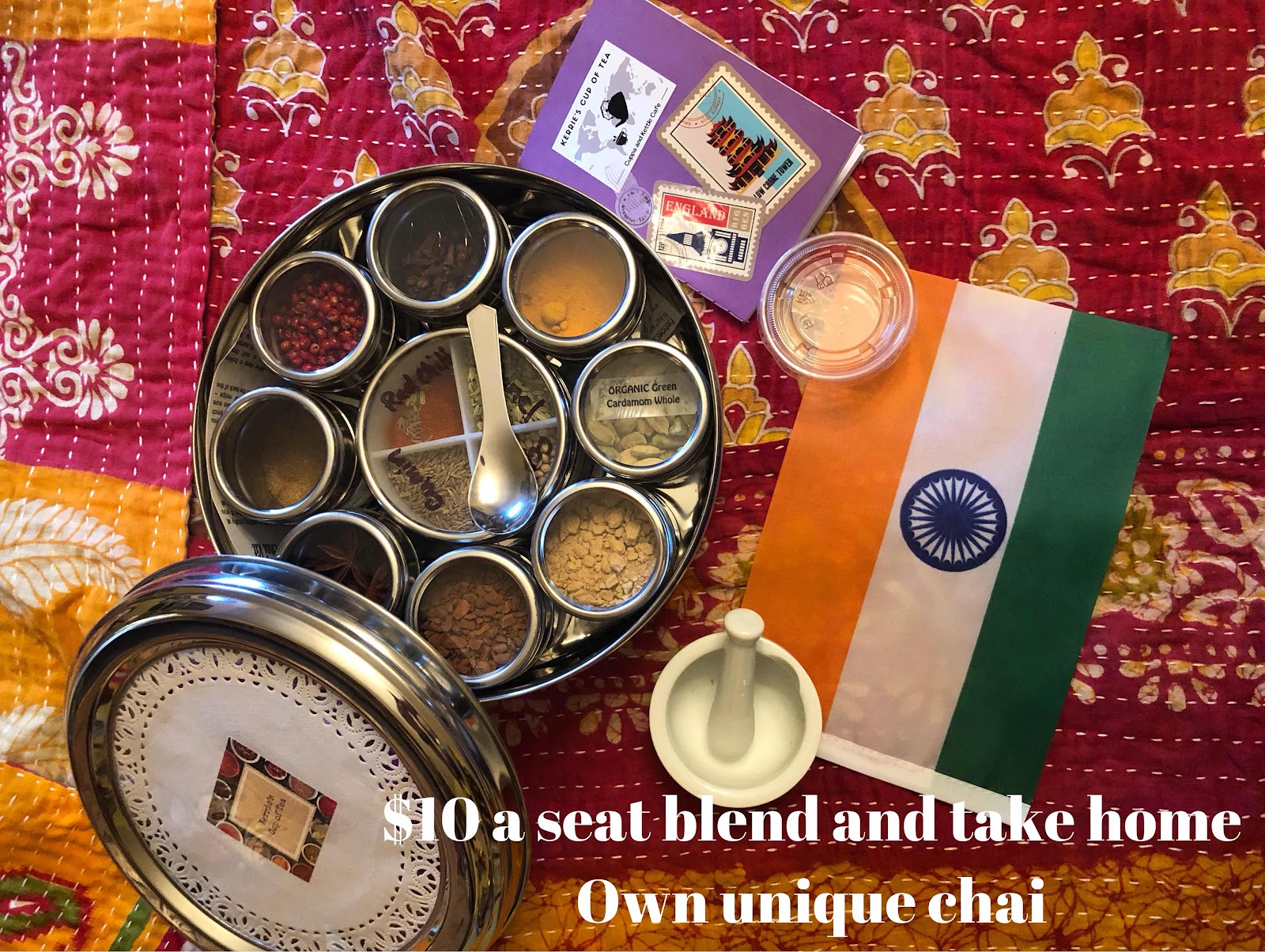
Well, come to my house in March and you can discover your favorite flavors and your favorite way to make chai.

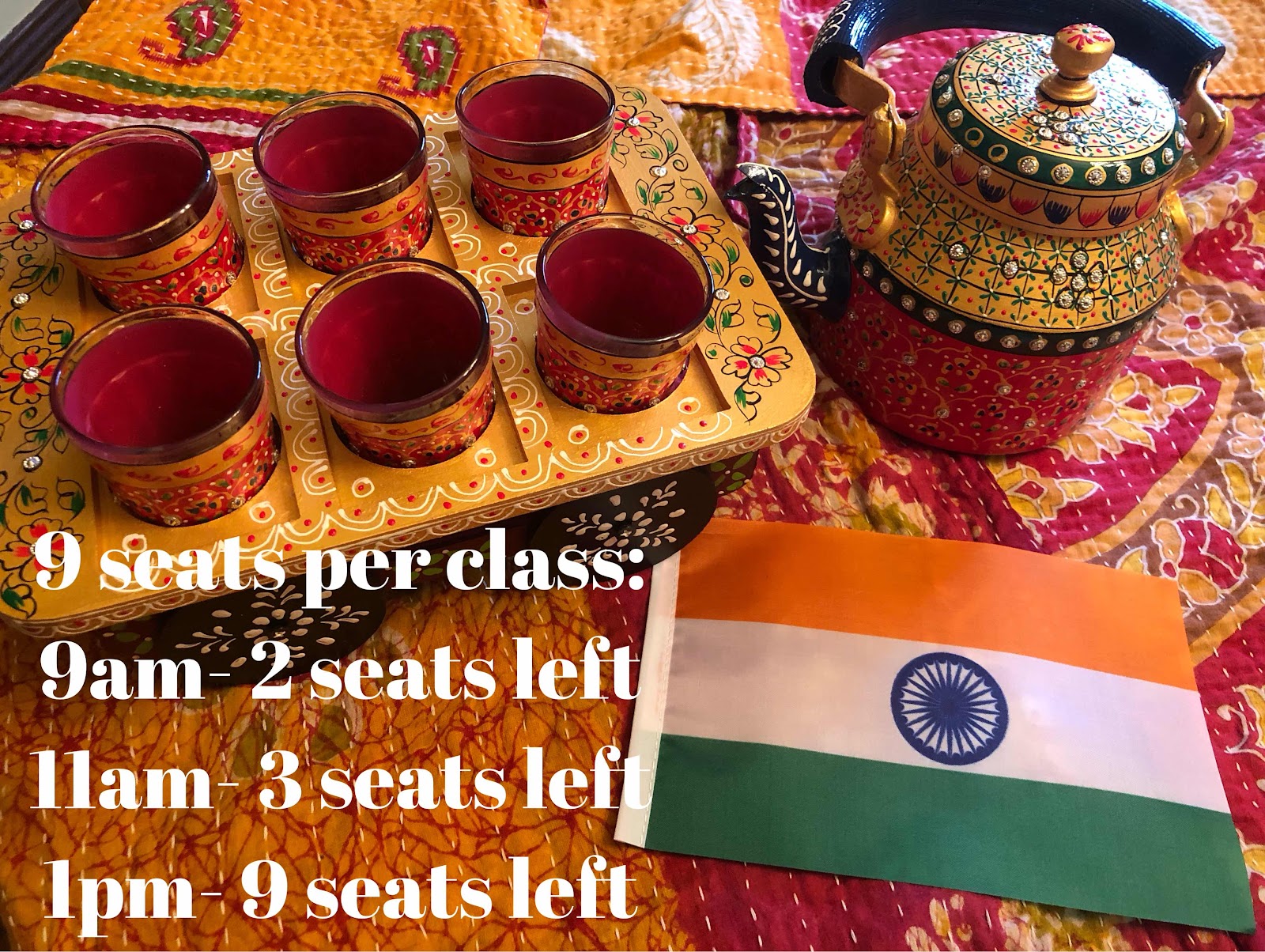
March 4
I have openings at the 1pm class. Each seat it $10.

Psalm 96:3
Declare His glory among the nations, His marvelous works among all the peoples!
Declare His glory among the nations, His marvelous works among all the peoples!